Email Marketing Best Practices for Higher Conversion Rates

One of the most effective tools in a marketer’s toolbox is email marketing. When properly implemented, it can increase conversions, cultivate client loyalty, and support company expansion. To make your email campaigns stand out, you must implement best practices, though, as inboxes are getting more and more congested every day. The key tactics for creating successful email campaigns that increase conversion rates will be covered in this article.Email Marketing Best Practices for Higher Conversion Rates
Why Email Marketing Still Works
Email marketing is still a very successful way to reach your audience in the age of social media and instant messaging. Email allows you direct access to the inboxes of your subscribers, unlike other platforms where algorithms determine who sees your message. Additionally, targeted, individualized message is made possible via email marketing, which is crucial for increasing conversions. Let’s examine the best practices that can help you get the most out of email marketing (and its substitutes, such as direct mail or electronic mail campaigns) to increase conversion rates.
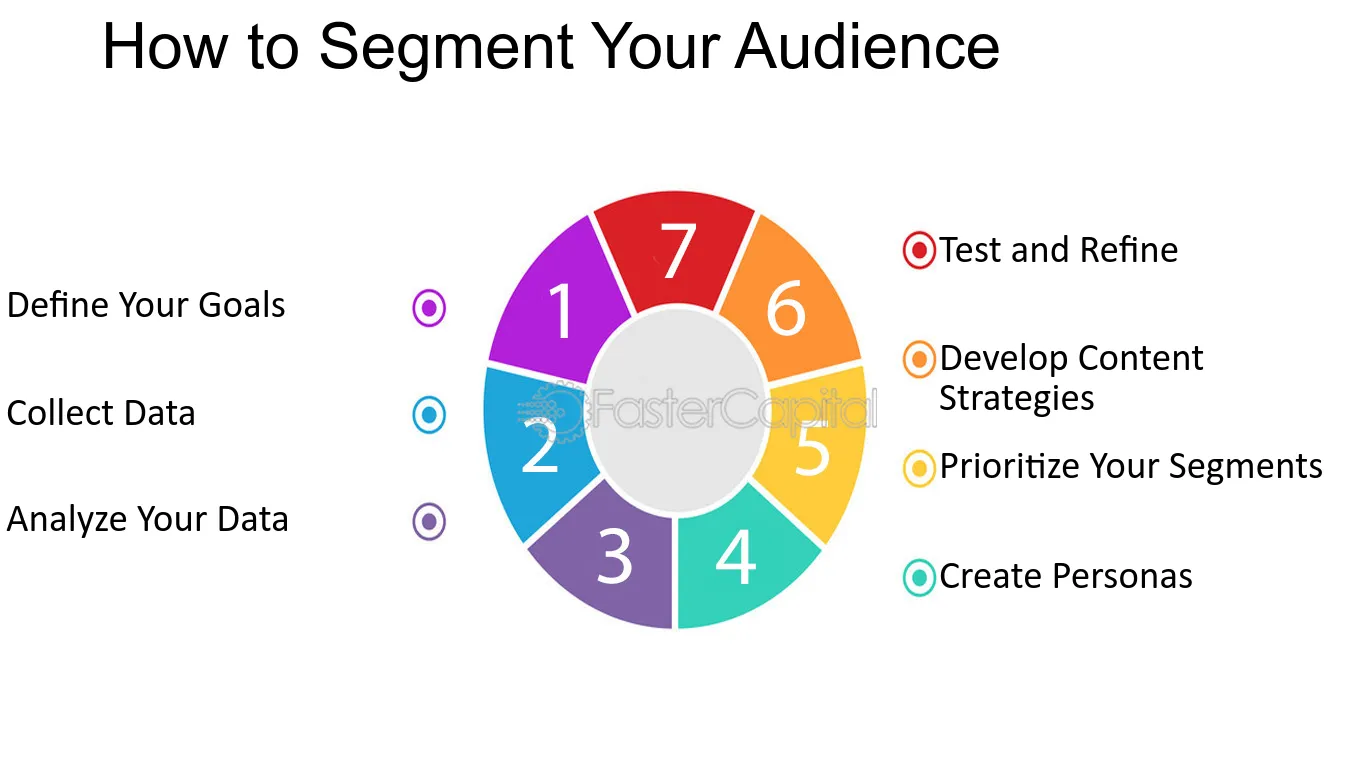
1. Segment Your Audience
The days of one-size-fits-all advertising are over. Segmentation is essential to raising your email conversion rates. By breaking up your email list into smaller, more focused groups, you can customize your messaging to each segment’s unique requirements and behaviors
.For instance:Demographics: gender, age, or place of residence.Previous Conduct: What have they purchased? How frequently do they respond to your emails? Engagement Levels: Those who haven’t opened an email in months contrast with active subscribers. When you create segmented campaigns, your communications will be more pertinent to each recipient, which will increase engagement and conversion rates.
2. Personalize Your Emails
Using the recipient’s first name is only one aspect of personalization. Although it’s a good place to start, dynamic content based on user behavior, preferences, and previous purchases is now possible with current email marketing technologies.
Think about these strategies for personalization: Behavioral triggers: Based on particular activities, such as recent sales, page visits, or abandoned carts, send follow-up emails. Product recommendations: Make product recommendations based on browsing or previous purchases.
Exclusive deals: Customize special offers and discounts for each person according to their tastes or past purchases.
Compared to generic emails, those that feel relevant and personal have a much higher conversion rate. According to studies, customized emails can increase transaction rates by up to six times.

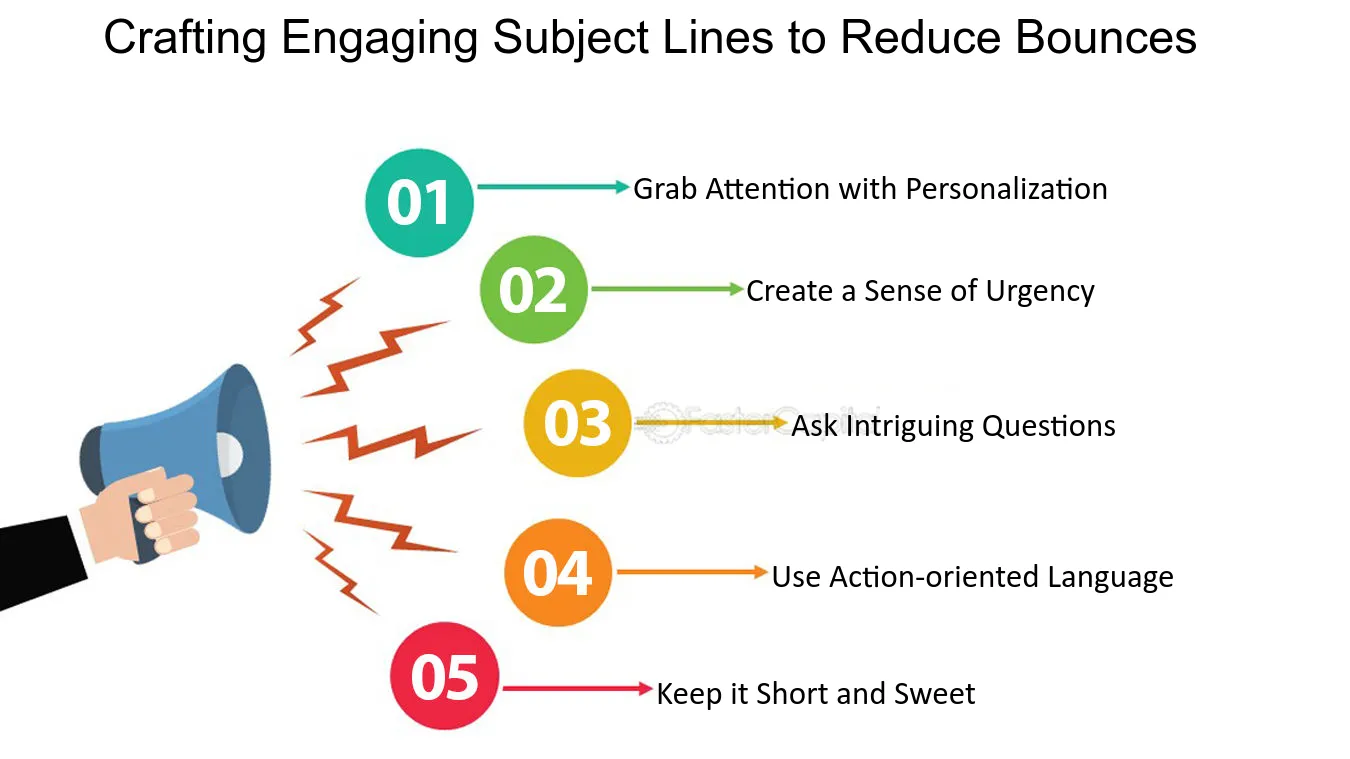
3. Craft Engaging Subject Lines
Your email’s subject line serves as its entrance. Your email might not be opened at all if it doesn’t grab attention. A compelling subject line is succinct, direct, and either adds value or piques interest.
Here are some pointers for crafting attention-grabbing topic lines: Keep it brief: Try to limit it to 6–10 words. Keep the subject line short and readable on tiny displays because the majority of people open their email on mobile devices. Add a CTA (call to action): Use phrases like “Last chance to save 20%!” or “Exclusive offer just for you” to entice readers with a sense of urgency or excitement. Make use of customizing Open rates can be increased by including the recipient’s name or other customized information. Additionally, you may A/B test various subject lines to determine which ones your audience responds to the most.
4. Optimize for Mobile
Mobile optimization is essential because over 60% of emails are seen on mobile devices. Recipients will likely delete your email without reading it if the layout doesn’t look good on smartphones or tablets.
To make sure your emails work on mobile devices: Make use of a responsive design: The email should adapt to the screen size of the device it is being viewed on automatically. Keep your message brief: Longer content may not be appealing to mobile readers. Get right to the point.
Add tappable, transparent CTA buttons: Make sure your call-to-action buttons are big enough to easily tap on a mobile device.
An email that is optimized for mobile devices guarantees a smooth user experience, increasing the possibility of conversions.
5. Write Clear and Compelling Calls to Action (CTAs)
The conversion is ultimately driven by your call-to-action (CTA). The call to action (CTA) should be obvious, appealing, and simple to follow, regardless of whether it involves visiting your website, making a purchase, or registering for a service.
Here are some important things to think about: Be precise:
Use action-oriented terms like “Shop now” or “Get your free trial” rather than ambiguous ones like “Click here. Reduce outside distractions: To prevent overloading your reader, the email should just contain one main call to action.
Employ contrasting hues: The CTA button should be easily recognizable by standing out from the rest of your email design.
Effective calls to action (CTAs) motivate visitors to proceed, which is essential for increasing conversions.

6. Test and Analyze Your Campaigns
It’s crucial to regularly evaluate and improve your email marketing efforts, even if you have the greatest methods in place. You can experiment with several aspects of your emails, including subject lines, calls to action, and layouts, especially with A/B testing.
Things to check: Which word choice or tone in subject lines increases open rates? Send schedule:
What time of day or day of the week works best for your subscribers? Structure and length of content: Is it better to send a long or brief email? Use analytics to monitor conversions, click-through rates, and open rates as well. Knowing which elements of your campaigns are working (and which aren’t) can help you keep improving your approach for the best outcomes.

7. Clean Your Email List Regularly
A healthy email list is essential for overall effectiveness and deliverability. Emails that are sent to inactive subscribers may wind up in the spam bin, which might damage your sender’s reputation.
How to keep a healthy list: Eliminate inactive subscribers:
Think about launching a re-engagement campaign if a subscriber hasn’t opened your emails in months. Take them off your list if they don’t reply after a while. Make use of double opt-in: Using a double opt-in procedure to confirm subscriptions guarantees that you are only sending emails to individuals who are actually interested in your material. Verify for mistakes: Fix mistakes and clean up bounced emails on a regular basis to keep your deliverability rate high. A clean list guarantees that the correct people are seeing your efforts and increases your open rates.

Conclusion
Because it enables companies to communicate directly with their audience, email marketing, also known as direct electronic mail communication, continues to be a key component of digital marketing strategy. You can greatly enhance your email campaigns and increase conversion rates by adhering to these best practices: segmentation, personalization, captivating subject lines, mobile optimization, unambiguous calls to action, frequent testing, and list maintenance.
Creativity, data analysis, and constant improvement are all necessary for effective email marketing. By putting these tactics into practice, you can create campaigns that inspire your audience to take significant action in addition to grabbing their attention. Keep in mind that every email you send is a chance to expand your brand, increase revenue, and cultivate relationships!
Read our other blogs