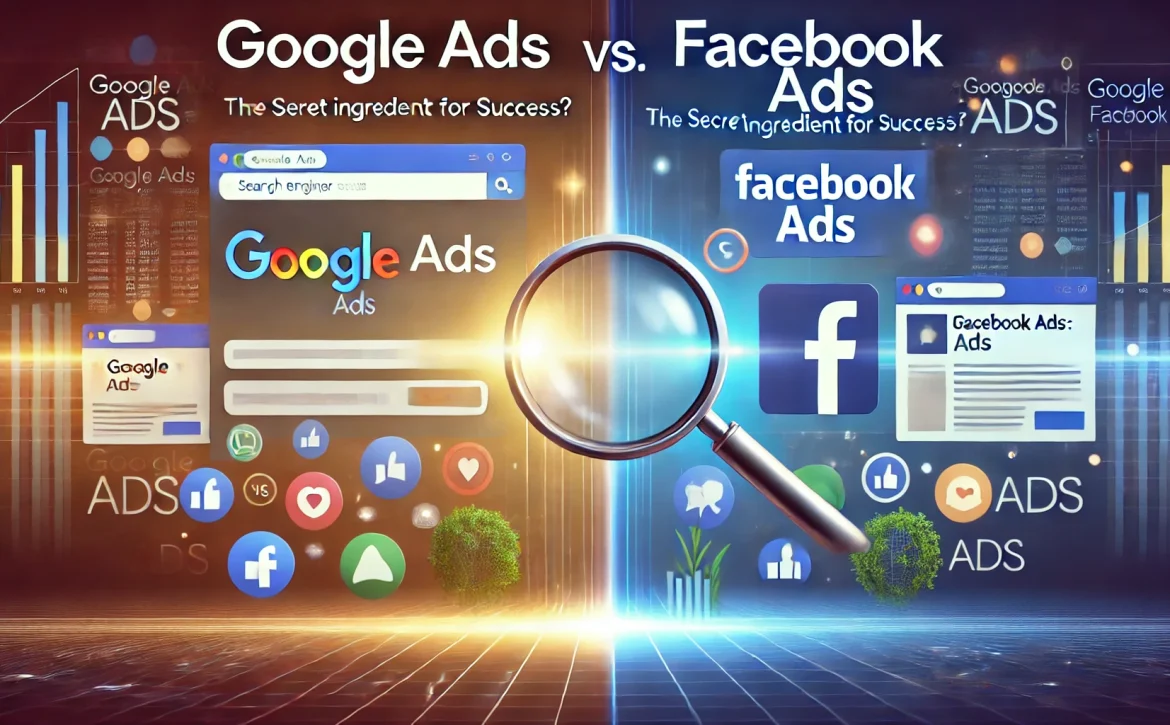
Why Google Ads vs. Facebook Ads: Which Platform is the Secret Ingredient for Success?
Every marketer is looking for the magic ingredient that would boost their brand and increase return on investment when it comes to internet advertising. Google Ads and Facebook Ads, two of the most well-known platforms, have repeatedly shown that they are effective. Still, it’s unclear whether platforms—Google Ads or Facebook Ads—offer a higher return on investment and how to use each to achieve the greatest outcomes.
Let’s examine each platform in detail to learn about its advantages, disadvantages, and potential contributions to your marketing plan.

Understanding the Basics: Google Ads vs. Facebook Ads
Let’s examine how these platforms work and their main differences before deciding which one is the key to your marketing success:
The industry leader in search-driven advertising is Google Ads. Being the biggest search engine, Google links companies with consumers who are actively looking for particular goods, services, or answers. The primary mode of operation for Google Ads is pay-per-click (PPC), which means that marketers only have to pay when a user clicks on their advertisement. YouTube, Google’s search results, and a wide range of partner websites all display Google Ads. Businesses may contact customers in a more visual and social setting by using Facebook Ads, which show up on Facebook, Instagram, Messenger, and the Audience Network. Cost-per-impression (CPM) or cost-per-click (CPC) pricing models are typically used for Facebook ads, giving businesses flexibility in how they handle their spending and goals.
The Power of Audience Intent: Capturing High-Intent vs. Interest-Based Audiences
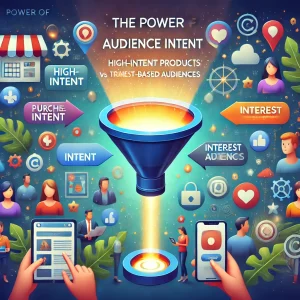
Google Ads: The ability to engage with highly intended users is one of Google Ads’ best features. Because they target those who are actively looking for products, answers, or solutions, Google search advertising is very successful. An advertisement for a shoe brand, for example, has a far higher probability of converting a search for “best running shoes for beginners” than a random ad.
Facebook Ads: On the other hand, Facebook ads focus on connecting with individuals based on their demographics, interests, and behaviors rather for their immediate purpose. Facebook allows advertisers to construct highly targeted advertising because it knows what users enjoy, follow, and interact with. This is especially effective for companies looking to increase brand recognition or market lifestyle goods.
Conclusion:
Google Ads is superior if your objective is to attract consumers who are prepared to buy. Facebook Ads wins this round for generating interest or promoting a brand that aligns with particular lifestyles.
Cost Comparison: Which Platform Offers a Better ROI?
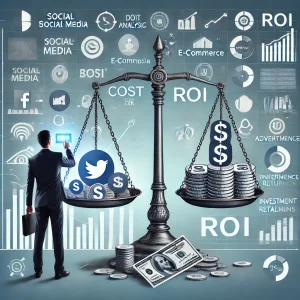
When choosing between Google Ads and Facebook Ads and determining which network delivers a higher return on investment, budget is a crucial consideration. Your bottom line may be impacted by the pricing plan you select from the two platforms.
Google Ads:
With its PPC pricing structure, Google Ads may get pricey very fast, particularly in markets with high competition where popular keywords can be expensive. However, because people who click on search advertising are probably closer to making a purchase decision, conversion rates are frequently greater.
Facebook Ads:
These are typically more affordable. Facebook Ads are more affordable, particularly for small businesses, because of lower cost per click (CPC) and cost per impression (CPM). Compared to Google, Facebook’s interest-based targeting may result in fewer conversions right away, but the cheaper cost structure enables more impressions and the possibility of fostering long-term brand affinity.
Conclusion:
Facebook ads may offer a higher return on investment for companies with a tight budget that are concentrating on audience interaction or brand awareness. Even at a greater cost per click, Google Ads can provide a better return if your goal is rapid conversions.